A MANIFESTO FOR THE SYMBIOSPHERE. SWITCH TO FRENCH
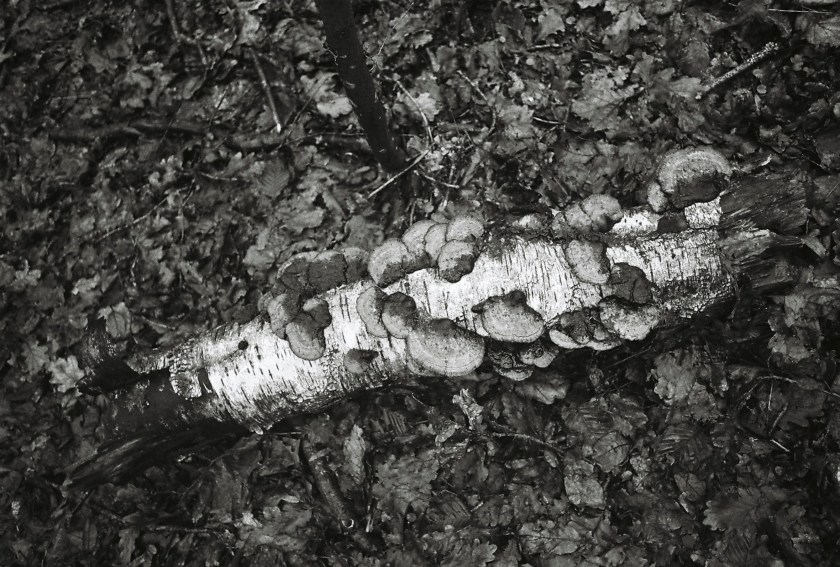
Separating humans from nature makes no sense. Human beings are natural beings. And nature is as much human as it is feline and vegetable, foraging and burrowing, social and individual.
It is not humans who destroy nature. It is their separation that destroys both. This separation is at the root of an antique movement of anthropisation and colonization, which is another name for the destruction of shared living worlds. Destruction of nature, and therefore also of our human nature.
What really needs to be separated, however, is humanisation and anthropisation.
The face of the man or the flesh of the world
For there is – precisely – a world of difference between Anthropos and Homo, the two names for the human being in the Western tradition.
Anthropos comes from « andros » and « ops »: the face – or gaze – of the masculine man, who faces and confronts the world in a challenge of knowledge and domination. Civilising hero or colonising pioneer. Weapon in one hand. Whip in the other. To tame, convert, dominate, reason. In a world to rule.
Homo and humanum presumably come from « humus » – the earth where the dead and the living, the plant and the animal, the tiny and the glorious, the one and the many, mingle together. A continuous creation and regeneration of shapes and links between generations, genders and species. A source of humility and humour, humus is the flesh of the world, through which we all pass twice, to be and not to be.
Humanum versus Anthropos
Anthropisation is everywhere, in our forests and in our heads, in our rivers and in our homes. It hollows hearts and eats at bonds. It repeats the same over and over, to produce more and more. It controls and counts for profit. It makes plans and places cameras. It connects to better monitor. It serves to influence. It protects to exploit.
So the real challenge is not to protect nature from humans. It’s about repelling the assault of Anthropos and giving space to Humanum – the humic human.
Leaving behind the toxic plantations and the prison conditions of cattle to become one with the forests – as the restive natives[1] and fugitive slaves[2] did long before us.
Resisting the scalable logics[3] that are expanding the empire of the same and the « more of ». To cultivate local dependencies and maintain the intertwining of multiple (id)entities. Think symbiotic rather than antibiotic. Being human beyond human beings. Nourishing humus. Re-inhabiting our shared worlds.
De-anthropising. Rehumanising.
[1] James C Scott, Against the Grain.
[2] Dénètem Touam Bona, Sagesse des lianes.
[3] Anna Lowenhaupt Tsing, The Mushroom at the End of the World. The anthropologist explores the concept of scalability and its operativity in capitalist destructions.
 symbiosphere